Japanese Wave
A Calm, Flowing Design for Custom Embroidery
The first time I saw Japanese Wave, I was struck by its serene, flowing energy. It’s not a design that shouts—it whispers. The gentle curves and rhythmic waves evoke a sense of peace and motion, making it feel like a piece of art rather than just an embroidery file. This is the kind of design that would fit naturally on a tote bag or a custom sweatshirt, where subtle elegance can shine.
Design Mood and Visual Personality
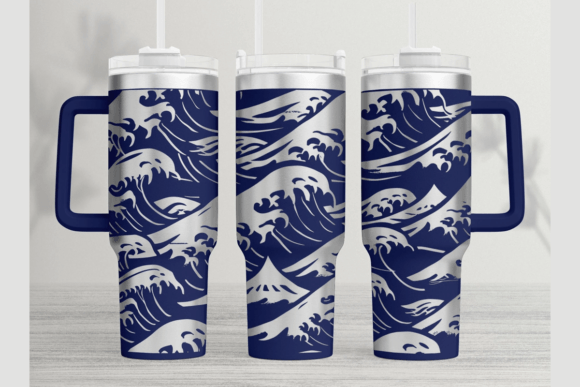
Japanese Wave has a minimalist yet expressive quality. The waves are clean and stylized, with a focus on negative space that allows the eye to move smoothly across the design. There’s no clutter, which makes it versatile for different applications. The layout feels balanced, and the theme is strong enough to stand on its own without needing much surrounding detail.
This design is ideal for projects where the focus is on the pattern itself. It works especially well on items like sweatshirt embroidery, tote bag design, or even holiday embroidery for a more subdued, artistic look. Its visual personality leans towards the calm and elegant, so it pairs well with neutral or pastel color palettes.
Real-Life Use Cases
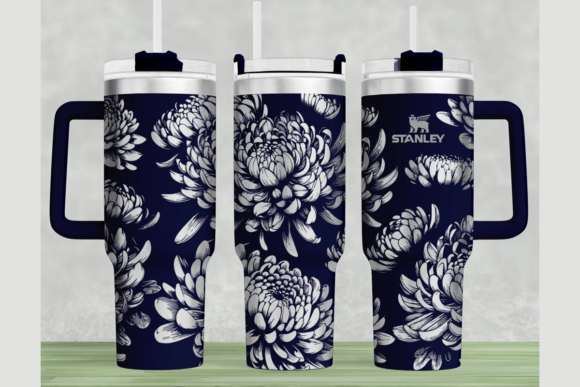
I recently used Japanese Wave as part of a custom embroidered tote bag for a local boutique. The design wrapped around the 40oz tumbler wrap seamlessly, creating a cohesive look that felt both modern and timeless. It worked beautifully on a light-colored fabric, and the flow of the wave made the piece feel dynamic, even when viewed from a distance.
However, I found that the design could be tricky on darker fabrics. The contrast wasn’t strong enough to make the details pop, so I recommend testing it on a scrap first. For custom apparel or personalized gifts, consider using thread colors that complement the fabric tone to enhance visibility.
Stitching Clarity and Practicality
One thing to watch out for with Japanese Wave is stitch density. While the design is clean, some areas—especially the corners and wave tips—can become dense if not handled carefully. This means that proper stabilizer use is essential to prevent puckering or distortion. Testing on a small section of fabric before full application is always a good idea.
For commercial embroidery or digital embroidery file use, ensure that the SVG file is compatible with your machine. Since the product description mentions it’s designed for a 40oz tumbler, it’s likely optimized for larger hoop sizes. If you’re working with smaller hoops, the design may need adjustment or scaling down.
Where to Be Careful
- Small Hoop Sizes: The intricate details may not render well in smaller hoops, leading to loss of clarity.
- Textured Fabrics: The design might not show up as clearly on fabrics with a rough texture, such as denim or canvas.
- Dark Fabric: As mentioned earlier, the contrast can be low, making the design less visible.
- Stretchy Fabric: The waves could stretch slightly, affecting the overall appearance.
- Curved Surfaces: Items like caps or hats may require additional adjustments to maintain the design’s integrity.
- Dense Stitch Areas: Pay attention to stitch density to avoid over-stitching or skipped stitches.
- Tiny Lettering: If there are any text elements, they should be tested thoroughly for readability.
Impact on Product Value and Customer Trust
Japanese Wave adds a unique touch to handmade products, which is a big plus for craft business owners and Etsy sellers. The design’s elegance and simplicity make it appealing for both personal and commercial use. However, it’s important to ensure that the final product looks professional. A poorly executed embroidery can damage customer trust, especially if the design doesn’t match expectations.
For personalized gifts or small shop product, the design should be presented in a way that highlights its strengths. Using high-quality printable mockups and clear design assets can help set the right expectations before the customer receives the finished item.
Practical Designer Notes
- Test on Scrap Fabric: Always check the design on a small piece of fabric before committing to a full project.
- Check Thread Color Contrast: Ensure the thread color complements the fabric for maximum visibility.
- Review Stitch Density: Adjust settings if needed to avoid overcrowding or skipping stitches.
- Confirm Hoop Size: Make sure the design fits within your hoop dimensions.
- Inspect Small Details: Look closely at corners, edges, and fine lines for accuracy.
- Test in Black and White: This helps identify potential issues with contrast and clarity.
- Compare Light and Dark Backgrounds: Understand how the design will appear on different fabric types.
- Use Proper Stabilizer: Choose the right stabilizer type to support the design and prevent distortion.
- Check Licensing: Confirm whether the design is licensed for commercial use before selling finished products or digital files.
Final Thoughts
Japanese Wave is a versatile and elegant design that can elevate a wide range of embroidery projects. Whether you’re creating a custom apparel piece, a handmade product, or a personalized gift, this design offers a refined aesthetic that stands out. With careful preparation and attention to detail, it can become a valuable asset in your design toolkit.